
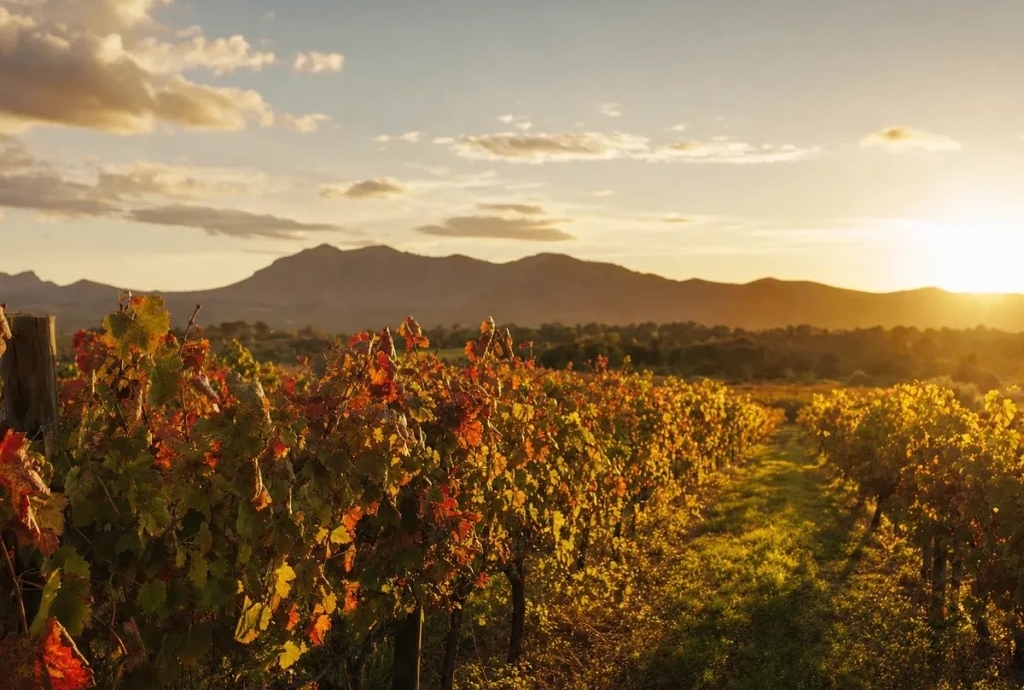
Mallorca in the Low Season: Why It's Worth Coming When Summer Ends
When summer leaves, Mallorca doesn't close. It changes pace. The roads empty, the villages find their voice again and the light turns lower and clearer. From November to March, the low season in Mallorca reveals an island that many travellers never get to see: one that lives for itself rather than for the tourist calendar.
You don't have to give anything up. Simply swap your beach towel for a good pair of boots and let the gentle, luminous Mediterranean winter set the pace.
The Island, at Last, at Your Own Pace
You notice the difference the moment you arrive. There's room to park. There's a table without booking days ahead. There's time to chat with whoever serves your coffee. Out of season, travelling to Mallorca is calmer and generally more affordable too, as flights and accommodation get cheaper when occupancy drops.
But the real advantage isn't measured in euros. It's measured in silence: a viewpoint with no queues, a cove where all you can hear is the sea. The official Balearic Islands tourism website presents winter as the best time to discover the villages, food and traditions that define Mallorcan identity.
The Serra de Tramuntana Starts on Your Doorstep
If any activity was made for the low season, it's hiking in Mallorca. In summer, the heat turns every climb into a challenge. In winter, the cool air invites you to walk for hours.
The first stage of the Ruta de Pedra en Sec (GR 221) sets off from Port d'Andratx. It is the great long-distance trail across the Serra de Tramuntana, a UNESCO World Heritage Site. In 2023, the Consell de Mallorca added a new section between Ses Basses and La Trapa, which keeps the Parc Natural de Sa Dragonera in view all the way. There's no need to complete the whole route. One morning is enough to understand why the dry-stone walls, pine woods and open sea make up one of the most beautiful landscapes in the Mediterranean. And if you like looking at the sky as well as the path, the island has plenty to tell you about the birds of Sa Dragonera.
When the Almond Trees Blossom
Between late January and February, Mallorca enjoys one of its most photogenic moments. Almond blossom covers the inland fields in white and pink, as if it had only half-snowed. The exact timing depends on how cold each winter is, and the blossom can last for several weeks.
It's the perfect excuse to take the car out with no rush, follow country lanes and stop in any village at lunchtime. At this time of year, you explore the island differently: no traffic jams, and the feeling that the landscape is all yours.
A Seasonal Table
The cold has its own flavours. Autumn brings wild mushrooms, such as esclata-sangs, which appear in the pine woods after the first rains. The olive harvest brings new-season oil. And hearty spoon dishes return: sopes mallorquines, slow-cooked stews and frit.
A good place to start is the weekly market in Andratx, held every Wednesday, where the stalls change with the calendar. What you buy there tastes different on a December afternoon.
A Harbour That Belongs to Its People Again
In winter, Port d'Andratx is another place. The pleasure boats are laid up, the seafront promenade is left to those who stroll with no particular aim, and the sunsets grow more intense in the clearer air. Some restaurants and shops close or shorten their hours in the quieter months, so it's worth checking before you go. In return, those that stay open welcome you with the calm of people no longer in a hurry.
If you're wondering what to pack, our guide to the weather in Mallorca in autumn has you covered.
An Island That Doesn't End in August
The low season isn't a second-rate Mallorca. It's the same island, with less noise and more time to take it in. Those who discover it this way tend to leave with a new idea of what a Mediterranean trip can be: less hurry, more landscape and the feeling of having seen something that slips away in summer.